Dr. Anurag Shrimal, Multi Organ Abdominal Transplant Surgeon is a celebrated leader in liver, pancreas, and multi-organ transplant surgery, currently serving as the Director of the Center for Liver, Pancreas & Intestine Transplantation at Gleneagles Hospital, Mumbai. With a prestigious academic foundation from Seth G.S. Medical College and KEM Hospital, Mumbai, and advanced fellowships in abdominal transplant surgery from Duke University, USA and Asan Medical Centre, South Korea, Dr. Shrimal brings global expertise to complex surgical care in India.
Renowned for pioneering several first-in-region transplant procedures, Dr. Shrimal has performed Western India’s first pediatric ABO-incompatible liver transplant, hyper-reduced left lateral segment transplant, and Mumbai’s first successful simultaneous pancreas and kidney transplant. He holds dual board certifications and is a Fellow of the American Society of Transplant Surgeons, among many other esteemed memberships.
Renowned for pioneering several first-in-region transplant procedures, Dr. Shrimal has performed Western India’s first pediatric ABO-incompatible liver transplant, hyper-reduced left lateral segment transplant, and Mumbai’s first successful simultaneous pancreas and kidney transplant. He holds dual board certifications and is a Fellow of the American Society of Transplant Surgeons, among many other esteemed memberships.

- Call Us: 9324757826
- Email Us: dranuragshrimal@gmail.com
Dr. Anurag Shrimal: Internationally Trained Expert in Liver, Kidney, Pancreas & Intestine Transplants and HPB Surgery
Trusted surgeon with global experience in organ transplantation

Specializes in liver, Kidney, pancreas, and multi-organ transplant surgery
Expert in complex hepatobiliary surgeries
.png)
Living Donor Liver Transplant: Safe and Effective Procedures for Donor and Recipient
Minimally Invasive Robotic Living Donor Liver Transplant Surgery
.png)
Pediatric Liver Transplantion: Compassionate and Expert Liver Transplant Care for Children
Specialized Pediatric Liver Surgery with Excellent Outcomes
.png)
Simultaneous Pancreas and Kidney Transplant: Precision-Driven Surgery and Transplants
Trasforming Lives With Simultaneous Pancreas and Kidney Transplant
.png)
Simultaneous Liver and Kidney Transplant: Skilled in Dual-Organ Transplant Surgery
Expert Care for Complex, Multi-Organ Transplant Cases
.png)
.png)
.png)
.png)
.png)
.png)
.png)
Dr. Anurag Shrimal
About Us
Dr. Anurag Shrimal: A Pioneer in Ethical and Life-Saving Organ Transplantation
Dr. Anurag Shrimal, Liver Transplant Surgeon and Multi Organ Abdominal Transplant Surgeon, a luminary in organ transplantation and HPB surgery, epitomizes medical excellence. His surgical prowess is renowned, boasting discharge rates of 95% - 97% and a mere 4% - 5% complication rate. These figures are not just statistics; they are a testament to his precision, a surgical maestro's touch that transforms lives.
His approach is as humane as it is precise. He understands that behind every surgery is a patient, often a child, and a family. For pediatric patients, he offers a spectrum of surgical options, each meticulously tailored. His work in pediatric liver transplants, including pioneering procedures in Western India, showcases his dedication to giving young lives a second chance.
Ethics are the bedrock of his practice. In a field where the line between life and death is often razor-thin, his integrity is unwavering. His commitment to transparency and ethical standards ensures that every procedure is conducted with the highest regard for patient welfare.
Beyond the operating room, Dr. Shrimal is a scholar and a mentor. His contributions to medical literature and his active role in training the next generation of surgeons highlight his dedication to advancing the field. His accolades, including prestigious awards for his work in liver transplantation, are well-deserved.
In essence, Dr. Anurag Shrimal is not just a surgeon; he is a healer, a pioneer, and a beacon of hope. His work, marked by precision, ethics, and a profound empathy, continues to set new standards in the world of organ transplantation.
15+
years of experience
1.5K+
Liver Transplants
200+
Pediatric Tansplants
Our Specialization

Kidney transplant Surgery

Pancreas Transplant Surgery

Intestine Transplant Surgery

Multi Organ Abdominal Transplant Surgery

Liver Transplant

Hepato-pancreato-biliary (HPB) Surgeries
Our Healthcare Services
Comprehensive Care from Diagnosis to Transplant and Beyond


Dr. Anurag Shrimal
About Doctor

- MS, DNB, MNAMS, ASTS Fellowship-Multi Organ Abdominal Transplant Surgery (Duke University, USA) Del Stickel Abdominal Transplant Surgery Fellowship (DUMC, USA) Surgical Oncology (Tata Memorial Centre, Mumbai, India
- 15.0 Years Of Experience
- Licence No. 2001052114 MMC
- Call
- Video Call
- In person
Testimonials
What our Patients says about us
Just because of you Dr Anurag sir, l stood strong all the days and was confident that my parents will not face a single problem during the liver transplant. Uh are the best doctor . Thank you sir for everything

Kajal Bansal
Thank you very much to Dr. Anurag Shrimal Sr. He has done my niece's Liver transplant operation in a very good way and has made it a success. Even though we are not in financial condition, he has helped us a lot. Thank you Sir and Team Nanavati hospital mumbai. And took good care even after the operation. Very very thank you sir.
Pravin Pandit
He had best experience with Dr Anurag Shrimal and the team. He had done liver transplant surgery of my father. He had a diseases of liver and after three month of roaming and experiment we got him to Mumbai. He was not able to recover so one of our relative suggested us to visit Dr Anurag, me and my family were very nervous but after meeting him our all nervousness gone. The surgery was successful and after surgery the doctor and his team took care of everything. It been almost 2 months my father is recovering very well. Thank You, this words are not enough for the support we got from Dr Anurag Shrimal and his team. God Bless you Sir.
Priyank gadhiya
To us, it was a heavenly experience with Dr Anurag Shrimal, although words remain inadequate to express our heartfelt gratitude & feeling's ... A Human of ultimate design , sort of an Angel down on earth .... Soft spoken & extremely perfect in his profession ...a skilled hand must I say & a kind soul ... Great feeling to know him !!! Liver transplant done for my son who was the donor and recipient who was my wife. May Almighty keep him & his family blessed !!!
Enayet Mowla
Sirs, We lost hope for our Baby Maleeha Faysal Malek. After contacting You, Borkarji, Gauravji etc. of Team of Nanavati, we became hopeful for the life of our baby. After almighty god, it was the Trust, which put on you and you have proved it. You all came to our baby in the form of angel. God/Allah has given second life to her through you. During the period of pre-liver transplant, livertransplant and post livertransplant, Baby has been served by your team as their own baby. At the time,we cannot forget Sayli madam, region etc. for their kind co-operation and help. We are thankful to you and Nanavati for this miracle. Regards Mr. Malek (Grandfather) Surat.
Khalik Malek
I have done by liver transplant at Nanavathi max hospital on 28 January 2024 and I have got the best team in the world to take care of me since in am morbid obese since every hospital in India has hesitated to go through the surgery. Dr.Anurag Shrimal sir is the best doctor that has happened in my life and am happy confident after meeting sir that I will be do better after surgery since I have the confidence in Anurag sir team of Chetan sir and there are no words to describe. Just got the confidence that I will do good which boosts me. Thank you sir
Shabuddin S
I am immensely grateful to Dr. Anurag Shrimal & his team as they performed Liver transplant surgery of my brother successfully. Dr Anurag is very knowledgeable & experienced in his field & expert in transplant surgeries. He is not only a best doctor but also a great human being. He always treat us very nicely & politely. Always clears all our doubts with precise answers & explanations. My brother's health is improving in a miraculous way & Anurag sir I can't express my gratitude in words for this. Thank you so much for everything. I strongly recommend that if anyone is suffering from any Liver issues then please meet Dr Anurag. Best Liver surgeon in town currently.
Akshay Gogate
We are immensely grateful to Dr. Anurag Shrimal for performing a successful Living Donor Liver Transplant for my mom, with my sister as the donor. He exhibited exceptional kindness, humility, and patience throughout the entire process. From the very beginning, he took the time to thoroughly answer all our questions, ensuring we were well-informed and comfortable with both the pre and post-transplant procedures. His dedication to his patients is truly remarkable; he even reached out to our family doctor in Indore on his own initiative, demonstrating genuine care and commitment to my mom's health and well-being. Anurag sir made what could have been an incredibly stressful experience into one where we felt supported and confident. We cannot thank him enough for his outstanding care and for giving my mom a new lease on life. We highly recommend Dr. Anurag Shrimal to anyone in need of a liver transplant. His expertise and compassionate approach are second to none.
Prateek Gurjar
Videos
Our Latest Videos
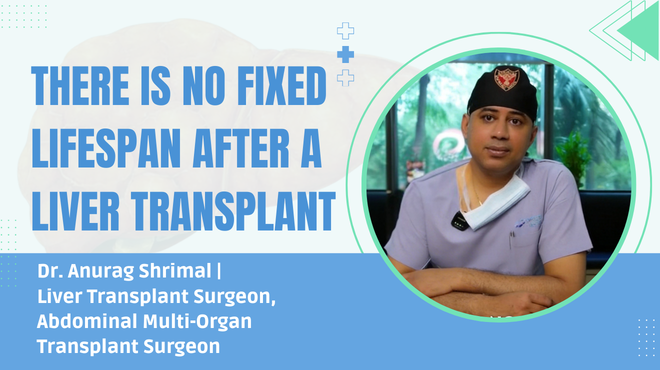



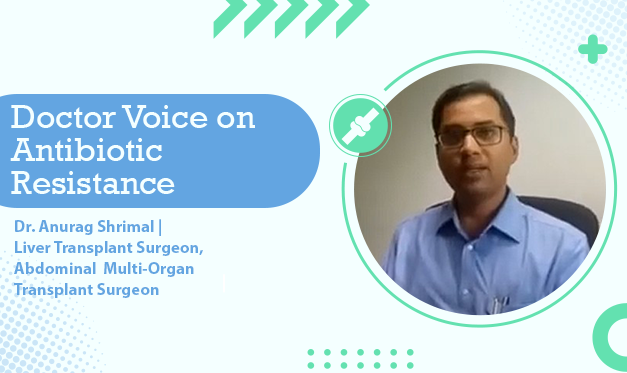
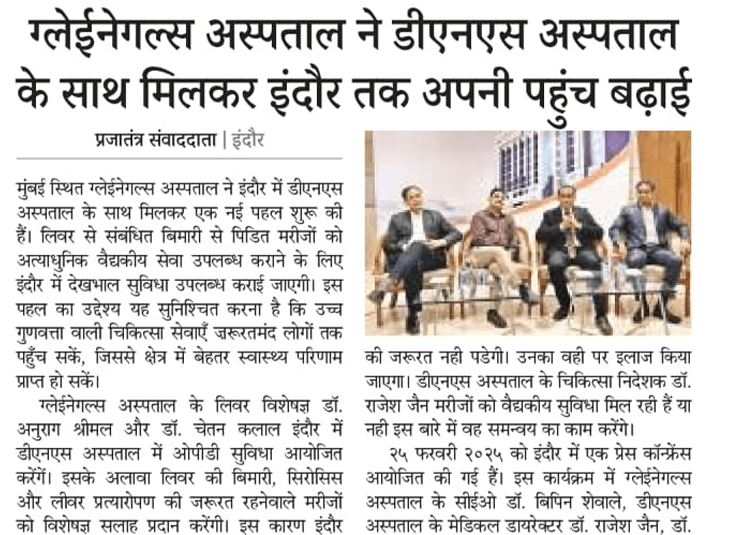
Media Pictures






Frequently Asked Questions
Need Answers? Find them here...
What makes Dr. Anurag Shrimal a leading figure in liver transplant surgery ?
Dr. Anurag Shrimal, celebrated as a Multi Organ Abdominal Transplant Surgeon, brings exceptional expertise to the field of liver transplant surgery as the Director of the Center for Liver, Pancreas & Intestine Transplantation at Gleneagles Hospital, Mumbai. He is renowned for pioneering surgical procedures in India, such as Western India’s first pediatric ABO-incompatible liver transplant. Dr. Shrimal's training includes prestigious fellowships at Duke University, USA, and Asan Medical Centre, South Korea, enhancing his global perspective in complex surgical care.
How has Dr. Anurag Shrimal contributed to advancements in pancreas transplant surgery?
Dr. Anurag Shrimal has significantly advanced pancreas transplant surgery in India, notably performing Mumbai’s first successful simultaneous pancreas and kidney transplant. With a rich academic background from Seth G.S. Medical College and KEM Hospital, Mumbai, and advanced interventions training from Duke University and Asan Medical Centre, Dr. Shrimal stands at the forefront of surgical innovation. As a Fellow of the American Society of Transplant Surgeons, he continues to redefine transplant milestones with unparalleled expertise and a focus on patient quality of life.
What innovative intestine transplant procedures has Dr. Anurag Shrimal introduced in Mumbai?
Dr. Anurag Shrimal, a leading expert in intestine transplantation, spearheads groundbreaking procedures in Mumbai. As the Director of the Center for Liver, Pancreas & Intestine Transplantation at Gleneagles Hospital, his commitment to surgical excellence is evident in his advanced training and successful implementation of pioneering techniques. His dual board certifications and fellowship with the American Society of Transplant Surgeons affirm his dedication to enhancing transplant care, offering patients improved survival and quality of life post-surgery.
Why is Dr. Anurag Shrimal highly regarded in multi-organ transplant surgery?
Dr. Anurag Shrimal is highly regarded in multi-organ transplant surgery due to his innovative leadership, academic achievements, and patient-centric approach. Serving as the director at Gleneagles Hospital in Mumbai, he is celebrated for numerous regional 'first' procedures, including Western India’s first pediatric ABO-incompatible liver transplant. His global training at Duke University and Asan Medical Centre ensures he offers world-class care. Dr. Shrimal’s surgical and academic accomplishments continuously enhance transplant care standards in India.
What is a liver transplant and when is it needed?
A liver transplant is a surgical procedure to replace a diseased liver with a healthy one. It's typically needed for patients with chronic liver disease (CLD) when the liver becomes unable to perform its essential functions. Conditions like cirrhosis, acute liver failure, and liver cancer may necessitate a transplant to improve the patient's quality of life and survival.
Who can be a living donor for liver transplants?
Living donors for liver transplants are typically healthy adults who voluntarily donate a portion of their liver. They undergo thorough medical evaluations to ensure compatibility with the recipient. These donors can be family members, friends, or sometimes altruistic donors. It's crucial for the donor to understand the risks involved and have a strong support system throughout the process.
How does a pediatric liver transplant differ from adult transplants?
Pediatric liver transplants are performed on children and require specialized care and procedures tailored to their smaller anatomy and developmental needs. Conditions such as biliary atresia or genetic liver disorders often necessitate transplants in children. The procedure demands meticulous attention to growth and development post-transplant, ensuring the child can lead a healthy and full life.
What conditions might lead to a pancreas transplant?
A pancreas transplant might be necessary for individuals suffering from Type 1 diabetes, where the pancreas can no longer produce insulin. It helps stabilize blood sugar levels and can significantly reduce dependency on insulin injections. Pancreas transplants might also be considered for patients with chronic pancreatitis or pancreatic cancer, aiming to alleviate symptoms and improve life expectancy.
What's involved in the care and monitoring after a liver transplant?
Post-liver transplant care is crucial. It involves regular monitoring for signs of rejection or infection, medication management to prevent rejection, and lifestyle changes to maintain liver health. Follow-up appointments with the transplant team are vital to assess liver function and overall health. Nutrition, exercise, and mental health support are important components to ensure a successful recovery.
What are the risks associated with living donor liver transplants?
Living donor liver transplants carry risks, including surgical complications, infection, pain, and potential long-term liver problems for the donor. However, most donors recover well with careful monitoring and support. For recipients, there's a risk of rejection and infection. Detailed counseling, evaluations, and support systems are essential to mitigate these risks and ensure successful outcomes for both donor and recipient.
How does chronic liver disease affect potential transplant outcomes?
Chronic liver disease (CLD) poses challenges for liver transplantation due to complications like portal hypertension, coagulopathy, and malnutrition. These factors can impact surgical outcomes and recovery processes. Proper management of CLD symptoms, optimization of the patient's health before surgery, and targeted post-operative care are critical to improving transplant success rates and overall prognosis.
What is the Hepato-Pancreato-Biliary (HPB) surgery unit's role in liver transplants?
The Hepato-Pancreato-Biliary (HPB) surgery unit specializes in surgeries involving the liver, pancreas, and biliary tract. In liver transplants, the HPB unit is integral for preoperative assessments, surgical planning, and operative execution. It provides comprehensive care, addressing complex cases involving multiple organs and systems. Collaboration within HPB disciplines enhances patient outcomes by ensuring coordinated, expert care.
What is the preparation process for a pancreas transplant?
Preparing for a pancreas transplant involves thorough medical evaluations, including tests to assess organ function, compatibility, and overall health status. Patients receive psychological support and education about the transplant process, outcomes, and post-operative care. Establishing a regimen for managing chronic conditions and coordinating care with a multidisciplinary team is vital for a smooth transition before and after the surgery.
What considerations are unique to intestine transplant procedures?
Intestine transplant procedures focus on patients with severe intestinal failure, where nutrition and digestion are impacted profoundly. Considerations include the patient's nutritional status, bowel health, and immune response. Post-transplant, managing rejection risks and ensuring effective nutritional absorption are critical. Close monitoring and individualized care plans are essential for managing the complexities of intestine transplants and optimizing patient outcomes.
How can patients with chronic liver disease prepare for a liver transplant?
Patients with chronic liver disease can prepare for a liver transplant by optimizing their health through diet, exercise, and medication compliance. Disease management strategies addressing symptoms and complications are crucial. It's important to undergo pre-transplant evaluations and discuss surgical risks and expectations with the transplant team. Building a support system for post-operative recovery is also a vital component of preparation.
What lifestyle changes are recommended after a pancreas transplant?
After a pancreas transplant, patients should adopt lifestyle changes to support the new organ. These include adhering to medication regimens to prevent rejection, following dietary guidelines to stabilize blood sugar and insulin levels, engaging in regular physical activity, and attending routine check-ups. It's important to monitor for signs of rejection or infection and work closely with the healthcare team to manage potential complications.
Location & Location Map
Working Hours
MONDAY10:00 AM - 5:00 PM
TUESDAY10:00 AM - 5:00 PM
WEDNESDAY10:00 AM - 5:00 PM
THURSDAY10:00 AM - 5:00 PM
FRIDAY10:00 AM - 5:00 PM
SATURDAYClosed
SUNDAY10:00 AM - 2:00 PM